How to Tell If Your Home Needs Professional Pressure Washing This Summer: 7 Warning Signs

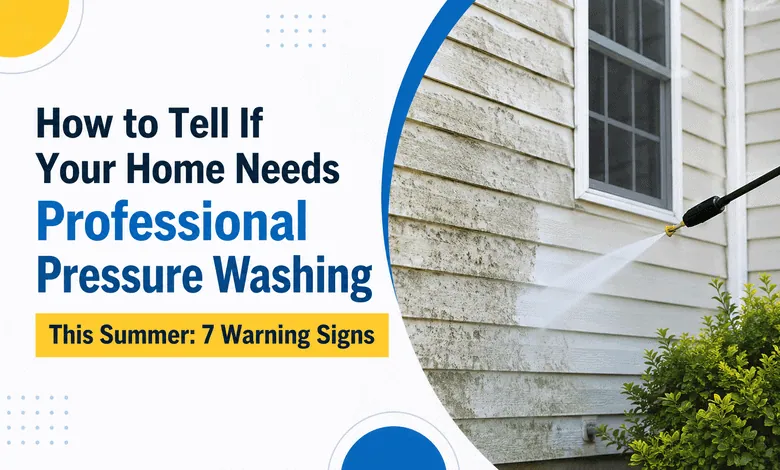
Take a walk around your house right now and look at it the way a stranger would. Not the way you usually see it, rushing to the car or carrying groceries in, but really look. Chances are you’ll spot something you’d stopped noticing: a driveway that’s gone patchy, siding with a dull, greyish cast, maybe a green tinge creeping up the north side of the fence.
That’s what a long Canadian winter does. Road salt, slush, freeze-thaw cycles, and months of grime don’t just disappear once the snow melts. They sit on every exterior surface, and by the time spring rain and pollen get mixed in, most homes are carrying a layer of buildup that’s easy to overlook because it happened gradually. Summer is when it finally becomes obvious, and it’s also the best time to do something about it.
Here’s the thing about professional pressure washing: most people wait until a house looks obviously dirty before they think about it. But there are earlier signs, subtler ones, that tell you a cleaning is overdue well before the grime becomes impossible to ignore. Catching them early is the difference between a straightforward cleaning job and a repair bill down the road. Below are seven signs worth paying attention to this season, along with what’s actually causing them and why they matter more than they might seem to at first glance.
Why Summer Is the Ideal Time for Professional Pressure Washing
How Canadian Weather Impacts Exterior Surfaces
If you’ve lived through a few Canadian winters, you know how rough they are on a house. Salt gets kicked up onto siding and foundations by passing traffic and plows. Snowbanks pile against exterior walls for weeks at a time. And every freeze-thaw cycle forces a little more moisture into hairline cracks in concrete and masonry. None of that damage looks like much on its own, but stacked up over a whole season, it leaves a residue that mixes with spring rain and pollen into a grimy film across siding, driveways, decks, and fences.
The Benefits of Seasonal Exterior Maintenance
Summer solves two problems at once. The warm, dry weather is ideal for a deep clean, and it gives surfaces time to dry out properly afterward, which matters if you want to keep mold and mildew from coming right back. It’s also the season when your yard actually gets used, for barbecues, kids playing outside, evenings on the patio. There’s not much point cleaning up in October when nobody’s out there to enjoy it. Doing it now means the work actually pays off.
Warning Sign #1: Your Home’s Siding Looks Dirty, Faded, or Discolored
What Causes Exterior Discoloration?
If your siding looks a shade duller than you remember, or has picked up a yellowish or greyish tint, it’s rarely the material itself aging. More often it’s a buildup: dirt, air pollution, tree pollen, road dust, all settling into the surface little by little. Homes near busier streets tend to pick up more grime from vehicle exhaust, while houses tucked under trees collect more pollen and organic debris, especially through spring.
Why Surface Buildup Shouldn’t Be Ignored
It’s not just a cosmetic issue. That layer of grime traps moisture against the siding, and trapped moisture speeds up wear over time. There’s also the simple fact that siding is the first thing anyone notices about a house, before the landscaping, before the front door, before anything else. A clean exterior wash brings back the original color and makes the whole property look cared for again.
Warning Sign #2: You Notice Green Algae, Mold, or Mildew Growth
Common Areas Where Organic Growth Appears
Algae and mildew show up where moisture lingers: shaded, north-facing walls, siding near sprinklers, decks tucked under trees, fences that rarely see direct sun. If you notice green or blackish patches forming in these spots, that’s your sign the surface isn’t drying out the way it should between rains.
Potential Risks of Mold and Mildew Buildup
Give it enough time and that growth starts holding moisture right against whatever it’s growing on, whether that’s wood, siding, or grout, and that moisture accelerates deterioration. It spreads too, quietly, until a small patch on one deck board becomes a much bigger problem. And honestly, even setting the structural concerns aside, nobody wants a house that looks neglected because of a mold patch nobody got around to dealing with.
Warning Sign #3: Your Driveway and Walkways Are Covered in Stains
Common Causes of Concrete and Pavement Stains
Driveways take a beating year-round, oil drips, tire marks, rust rings from patio furniture legs or sprinkler heads, plus the everyday dirt that just accumulates from use. Concrete is porous by nature, so stains sink in rather than sitting on top, and the longer they’re left, the harder they are to lift.
How Stains Affect Your Property’s Appearance
A driveway is one of the first things anyone sees, before they’ve even reached the front door, so stains here are noticed more than almost anything else on the property. A stained, blotchy driveway can drag down the look of an otherwise well-kept home. Regular residential pressure washing services can lift most of these stains before they set in permanently.
Warning Sign #4: Your Deck or Patio Feels Slippery After Rain
Why Outdoor Surfaces Become Slippery
If your deck feels slick after a rain shower, that’s usually algae, moss, or built-up organic debris forming a thin film on the surface. It thrives in shaded, damp conditions, and it’s not always visible until the surface is wet and you’re already standing on it.
Safety Risks Homeowners Often Overlook
This one gets missed a lot because it’s invisible in dry weather, you’d never know just by looking. But a slick deck is a genuine fall risk, and summer is exactly when decks and patios see the most foot traffic: gatherings, kids running around barefoot, someone carrying a tray of food out to the table. Cleaning it isn’t just about how it looks. It’s about not having someone go down on a wet board.
Warning Sign #5: Dirt Streaks and Water Marks Are Appearing Around Gutters
What Causes Exterior Water Stains?
Those vertical streaks running down from the gutters, sometimes called tiger striping, show up when dirt and tannins mix with rainwater runoff and drip down the siding or fascia. It’s one of the more common signs on homes that haven’t had an exterior cleaning in a while.
When Staining Indicates Maintenance Issues
Light streaking here and there is fairly normal. But if it’s heavier or spreading, that can point to gutters that are overflowing or clogged, pushing more water and debris down the walls than they should be. Beyond just being unsightly, it’s worth checking whether there’s a gutter issue behind it, because the staining is often a symptom, not the whole story.
Warning Sign #6: You’re Planning to Sell Your Home This Year
Why Curb Appeal Matters to Buyers
If you’re getting ready to list, exterior condition carries more weight than people expect. Buyers form an opinion before they’ve stepped inside, often from listing photos alone. A home with visible grime, stained walkways, or a dull driveway can undersell an interior that’s actually in great shape.
How Professional Pressure Washing Can Improve First Impressions
Compared to a renovation or a landscaping overhaul, a thorough exterior clean is one of the most affordable ways to improve how a property presents. Clean siding, a bright driveway, and a fresh-looking deck photograph better and make a stronger first impression the moment a buyer pulls up.
Warning Sign #7: It’s Been More Than a Year Since Your Last Exterior Cleaning
How Often Should Homes Be Professionally Cleaned?
As a rough rule, most Canadian homes do well with a professional cleaning once a year. If it’s been longer than that, buildup has usually had time to settle in deeper than a garden hose or a quick DIY pass can handle.
Factors That Affect Cleaning Frequency
Tree Coverage Around the Property
Homes with a lot of mature trees tend to pick up more pollen, sap, and organic debris, and often need cleaning more than once a year to keep up.
Exposure to Moisture
Properties in shaded, low-lying, or generally damp areas are more prone to mold and algae, which shortens how long a clean actually lasts.
Local Climate Conditions
Areas that see heavier snowfall, more road salt, or higher humidity tend to build up grime faster than drier regions.
Type of Exterior Surfaces
Stucco and natural wood show dirt and organic growth differently than vinyl or brick, which affects how often each needs attention.
Professional Pressure Washing vs. DIY Cleaning: What’s the Difference?
Advantages of Hiring Professionals
Renting a pressure washer for a weekend feels like the simpler option, and sometimes it is, for a quick job. But professional pressure washing and power washing services bring something a rental unit can’t: knowing which pressure and technique actually suits the surface in front of you. Delicate wood decking needs a different approach than a concrete driveway, and getting that wrong is how damage happens.
Common DIY Pressure Washing Mistakes
The most common mistake is using too much pressure, which can strip paint, gouge wood, or force water behind siding where it has no business being. Uneven technique leaves patchy results, some spots spotless, others barely touched. There’s also the safety side of it, ladders, awkward angles, working near outlets. And most rental units don’t come with the specialized detergents that actually make a difference on stubborn stains, which is usually why a DIY job ends up looking okay instead of genuinely clean.
Benefits of Addressing These Warning Signs Early
Dealing with these signs before they become obvious pays off in a few ways. It stops trapped moisture, algae, and mildew from doing long-term damage to surfaces that are expensive to replace. It keeps a property looking consistent year-round instead of sliding gradually until someone finally notices. It removes a real safety hazard from decks and walkways. And over time, it just becomes part of maintaining a home properly, rather than a scramble every few years to fix something that got out of hand.
Conclusion
Faded siding, algae creeping up a fence, a stained driveway, a slippery deck, streaky gutters, an upcoming sale, or simply too long since the last clean, any one of these is reason enough to take a closer look at your property this summer. None of it happens overnight, which is exactly why it’s easy to miss until it’s harder to fix.
So take that walk around the house. Look at the siding in full sun, check the deck the next time it rains, glance at the driveway with fresh eyes. The earlier you catch it, the less work it takes to fix.
Frequently Asked Questions
How often should a home be professionally pressure washed in Canada?
Once a year is a reasonable baseline for most homes, ideally in spring or summer when the weather lets surfaces dry out fully afterward. Homes with heavy tree cover, shaded areas, or a lot of road salt exposure often need it more often to keep buildup from setting in.
Is pressure washing safe for all types of siding?
Not exactly. Vinyl siding generally handles higher pressure fine, and brick or stucco can usually take moderate pressure with the right technique. Softer materials like fibre cement do better with soft washing, a gentler method that uses lower pressure and specialized solutions instead of force to lift dirt without damaging the surface.
Can professional pressure washing remove mold and algae from exterior surfaces?
Yes. With the right pressure and cleaning solution, professional cleaning removes mold, algae, and mildew from siding, decks, and fences effectively, and it also slows how fast growth comes back, which is part of why it works well as ongoing maintenance rather than a one-off fix.
What’s the difference between pressure washing and soft washing?
Pressure washing uses higher water pressure and suits tougher surfaces like concrete and brick. Soft washing uses lower pressure paired with specialized cleaning solutions, making it the safer choice for painted wood, stucco, and more delicate types of siding. Which one’s right really comes down to what surface you’re cleaning.
Does pressure washing help increase a home’s value before selling?
It won’t move the appraised value on its own, but it makes a real difference in how a property is perceived, both in person and in listing photos. For the cost involved, it’s one of the more effective ways to make a strong first impression before putting a home on the market.
If you’re weighing residential pressure washing services in Simcoe and Grey County, a seasonal clean usually covers most of what’s outlined above, and it helps to know roughly what pressure washing cost in Ontario looks like before booking anything. Whatever surface or season you’re dealing with, staying on top of it is one of the easiest ways to protect a home’s look and condition, something the team at Get Blasted Pressure Washing sees play out with homeowners year after year.