That sudden roar from under your car does not always mean you need a brand-new muffler. For many Toronto drivers, what starts as an annoying exhaust rattle or hiss turns out to be a fixable issue — one that does not require the cost or hassle of a full muffler replacement.
Whether your vehicle has developed a low rumble at idle, a sharp hissing sound during acceleration, or an all-out banging clatter over potholes, there are several practical ways to quiet things down before jumping to a replacement. This guide walks you through the most effective methods to reduce exhaust noise without replacing your muffler, so you can make an informed decision and protect your wallet at the same time.
Why Is Your Exhaust Suddenly So Loud?
Before reaching for a solution, it helps to understand what is causing the noise in the first place. Your exhaust system is not just one part — it is a chain of components working together: the exhaust manifold, flex pipe, catalytic converter, resonator, muffler, and the tailpipe. A problem anywhere along this chain can amplify engine sound.
The most common culprits for excessive exhaust noise are:
- Exhaust leaks from cracked pipes, loose gaskets, or corroded joints
- Broken or worn muffler hangers that allow components to vibrate against the chassis
- Holes or rust perforations in the muffler body or exhaust pipes
- Loose heat shields rattling against exhaust pipes
- Internal muffler baffle damage from impact or age
Toronto’s road conditions make all of these problems worse. Winter road salt accelerates rust on exhaust metals, and the city’s famous potholes can crack or dislodge even a well-secured exhaust component. If you’re noticing noise for the first time, especially after a rough winter or a hard pothole hit, one of these factors is almost certainly the cause. Understanding this is the first step to knowing whether a full muffler repair in Toronto is needed or whether a simpler fix will do the job.
Practical Ways to Reduce Exhaust Noise Without a Full Replacement
1. Seal Exhaust Leaks with Exhaust Tape or Patch Compound
Small holes or hairline cracks in exhaust pipes are a surprisingly common source of loud exhaust noise. Before the exhaust reaches the muffler, a leak in the pipe releases raw engine sound directly, which is why even a tiny hole can make your car sound dramatically louder.
Exhaust repair tape and high-temperature patch compounds are available at most auto parts stores and can seal minor leaks temporarily. Wrap the tape tightly around the affected area of the pipe, or apply the compound according to package directions. This is a short-term fix that can buy you time before a proper repair, but it does effectively reduce noise when done correctly on minor leaks.
Keep in mind: these products are temperature-rated, so always check that the compound you choose is rated for exhaust temperatures, which can exceed 800°C near the manifold.
2. Tighten or Replace Exhaust Clamps
Exhaust pipes are connected to each other and to the muffler through clamps. Over time, these clamps loosen from vibration and thermal cycling, allowing joints to gap slightly. Even a millimetre of separation at a joint is enough to create a significant exhaust hiss or rumble.
Inspect the clamps along your exhaust system — they are the U-shaped or band-style metal fittings visible under the car. If a clamp appears loose, a mechanic can tighten or replace it affordably. This is one of the cheapest and fastest exhaust noise fixes available, and it is often overlooked.
Issues with clamps and pipe connections fall under pipe, clamp, and hanger repairs — a dedicated service at Wilson Muffler that addresses exactly these components before they cause further exhaust system damage.
3. Replace Worn Exhaust Hangers
Exhaust hangers are the rubber-mounted brackets that keep the exhaust system suspended beneath the vehicle. When they crack, stretch, or break entirely, the exhaust pipes and muffler can sag and vibrate against the car’s underbody, creating a rattling or banging noise — especially over bumps.
Replacing a broken hanger is a relatively inexpensive job. New rubber hangers are inexpensive parts, and the swap typically takes less than an hour. If your exhaust rattle only appears when driving over rough roads or speed bumps, a broken hanger is a very likely cause.
4. Install a Resonator or Exhaust Silencer
If your exhaust system is structurally sound but simply louder than you would like, adding an aftermarket exhaust silencer or resonator can noticeably reduce exhaust noise without touching the muffler. These devices are designed to absorb and cancel specific exhaust sound frequencies.
Resonators work by creating an additional resonance chamber in the exhaust flow, which dampens drone and low-frequency rumble. Silencer inserts, on the other hand, fit inside the tailpipe and use sound-absorbing material to reduce noise at the exit point. Both are bolt-on solutions that a shop can install without modifying your muffler.
5. Address Heat Shield Rattle
If the noise you hear is more of a tinny rattle than a deep roar, especially at specific RPM ranges, the source may not be the muffler at all — it could be a loose heat shield. Heat shields are thin metal covers wrapped around the catalytic converter and certain sections of the exhaust pipe to protect surrounding vehicle components from heat.
Over time, the bolts holding heat shields in place can corrode and loosen, causing the shield to vibrate against the exhaust pipe. This produces a distinctive metallic rattle. A technician can tighten the fasteners or weld the shield back in place quickly, eliminating the noise without any exhaust system modification.
6. Fix Exhaust Leaks at the Manifold Gasket
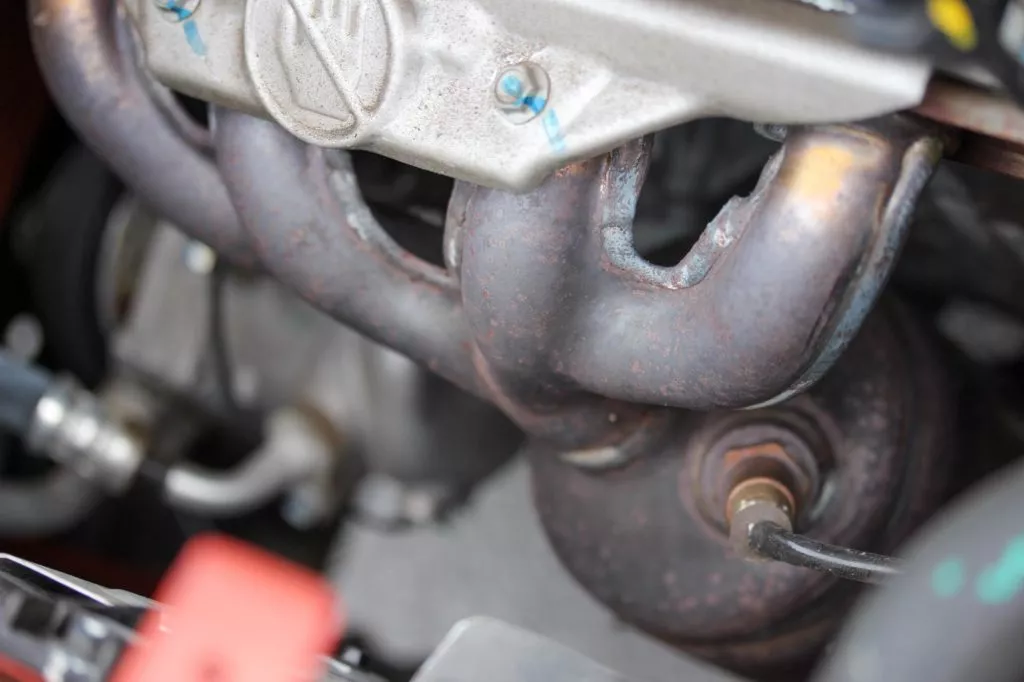
The exhaust manifold gasket seals the connection between the engine’s exhaust manifold and the rest of the exhaust system. When this gasket fails — which it often does in older vehicles or those with high mileage — exhaust gases escape before they even reach the muffler. The result is a loud ticking or hissing noise, particularly noticeable when the engine is cold.
Replacing an exhaust manifold gasket is more involved than a simple pipe repair, but it is still far less costly than a full exhaust replacement. It also falls within the scope of engine and drivetrain services that a full-service shop can handle in a single visit.
When These Fixes Are Not Enough
The methods above work well when the underlying problem is localized — a cracked pipe, a loose hanger, a worn gasket. However, some noise problems are a signal of deeper structural issues that these fixes cannot address permanently.
If your muffler has extensive internal rust, collapsed baffles, or large perforations, patching the exterior will only delay the inevitable. Similarly, if the catalytic converter is failing or if multiple exhaust components are compromised simultaneously, a more comprehensive assessment is needed.
This is where a professional inspection pays for itself. At Wilson Muffler, the shop offers free visual lifts and leak tests to determine the true extent of exhaust damage — so you only pay for what’s actually needed.
If the noise is accompanied by reduced fuel economy, a check engine light, or visible rust streaks on the exhaust pipe, these are signs the exhaust system is affecting engine performance. In that case, consulting the complete auto service guide is a smart next step to understand what a proper inspection should cover.
The Cost of Waiting
One of the most important things to understand about exhaust noise is that the problem rarely gets better on its own. A small exhaust leak left untreated will grow as heat, vibration, and road exposure work on the weakened metal. What begins as a minor repair, such as a new clamp or a sealed joint, can escalate to a section pipe replacement and eventually to a full muffler replacement if ignored long enough.
There is also a safety consideration. Exhaust leaks that develop near the cabin can allow carbon monoxide to seep into the interior — an odourless, colourless gas that poses a serious health risk. Addressing exhaust noise promptly is not just about comfort; it is a safety issue.
For more on proactive vehicle care that prevents these escalations, the best car care tips for daily auto protection resource from Wilson Muffler offers practical, straightforward advice for everyday drivers.
Getting a Professional Assessment in Toronto
If you’ve tried some of the DIY approaches above and the noise persists — or if you’d rather have a professional confirm what’s actually causing the problem — Wilson Muffler’s shop on Wilson Ave in North York is a trusted starting point for Toronto drivers. With over 15 years of experience specifically in exhaust and muffler repair, their technicians can pinpoint the noise source quickly and give you an honest, upfront assessment of whether a simple fix or a more involved repair is the right path.
Beyond exhaust work, the shop handles a full range of automotive services — from brake and safety systems and steering and suspension to scheduled maintenance — making it a convenient one-stop destination for drivers who want their full vehicle checked while the exhaust issue is being addressed.
Frequently Asked Questions
FAQ 1: Can I drive my car if the exhaust is making noise?
You can drive short distances, but it is not advisable to continue driving normally with an exhaust noise problem. A noisy exhaust often indicates a leak, and even a small leak can allow carbon monoxide to enter the cabin — particularly dangerous during slow-moving traffic or when idling. Beyond the safety concern, driving with a compromised exhaust will almost always make the damage worse and more expensive to repair. If the noise is sudden and severe, have the vehicle inspected as soon as possible.
FAQ 2: How much does it cost to fix exhaust noise without replacing the muffler?
Costs vary significantly depending on the cause. Replacing a broken exhaust hanger is one of the cheapest repairs — often under $100 including labour. Tightening or replacing clamps is similarly affordable. Sealing a small pipe leak or replacing a manifold gasket will cost more but is still far less than a full muffler replacement, which typically runs between $200 and $600 or more depending on the vehicle. Getting a professional diagnostic inspection first is the best way to know exactly what you are dealing with and avoid paying for unnecessary work.
FAQ 3: Is exhaust repair tape a permanent fix?
No. Exhaust repair tape and patch compounds are effective temporary solutions for minor holes or cracks in exhaust pipes, but they are not designed for long-term use. High exhaust temperatures and constant vibration will eventually break down even the best repair tape, typically within a few months. Think of it as a bridge solution — it can quiet the noise and buy you time, but a proper weld repair or pipe replacement from a professional is the durable solution.
FAQ 4: How do I know if the noise is the muffler or somewhere else in the exhaust system?
Sound location can be deceptive, especially in exhaust systems where sound travels through the pipes. A hissing or ticking noise that is loudest near the front of the vehicle (under the hood or just behind the engine) often points to a manifold leak or flex pipe issue. A rattling sound under the middle of the car is often a heat shield or hanger problem. A roaring noise that is most noticeable at the back of the car is more likely to be muffler-related. That said, the only reliable way to identify the source is to have the vehicle put on a lift for a visual and auditory inspection.
FAQ 5: Will a louder exhaust affect my vehicle’s emissions test?
Not directly — emissions tests measure what is coming out of the tailpipe chemically, not how loud the exhaust is. However, if your exhaust noise is caused by a leak upstream of the catalytic converter, exhaust gases are escaping before being treated, which can cause the vehicle to fail an emissions test. A leak downstream of the catalytic converter is less likely to affect emissions results but may still raise safety and noise concerns. In Ontario, vehicles are subject to Drive Clean standards, and a damaged exhaust system can create compliance issues depending on where the leak is located.
FAQ 6: How often should the exhaust system be inspected?
Most automotive professionals recommend having the exhaust system visually inspected at least once a year — ideally each spring after Toronto’s road salt season has done its worst. If you notice any changes in noise level, a drop in fuel efficiency, or a new smell inside the cabin, treat those as signals to book an inspection right away rather than waiting for the next scheduled service. You can learn more about proactive care with the essential car repair tips for every driver guide, which covers practical habits that extend the life of your entire exhaust system.
Final Thoughts
A loud exhaust does not automatically mean an expensive muffler replacement is on the horizon. Many of the most common causes of exhaust noise — leaking joints, worn hangers, cracked pipes, loose heat shields — can be addressed with targeted, affordable repairs that restore a quiet ride and protect the health of your exhaust system long-term.
The key is acting early. Small exhaust problems caught in time stay small. Left alone, they compound into more expensive and more disruptive repairs. If you are hearing something unusual from your exhaust, take it as a prompt to investigate — and know that replacement is often the last resort, not the first one.